
Tag Archives: NDIS transport support worker Deer Park

What Does an NDIS Transport Support Worker Actually Do for Daily Mobility Needs?

Getting around town can be challenging for people with disabilities. NDIS transport assistance in Melton North makes daily travel much easier. These trained workers provide essential help with mobility and independence. They enable participants to live fuller, more active lives every day.

What Is an NDIS Transport Support Worker?

An NDIS transport support worker helps people with disabilities travel safely. They provide personalised transportation support for daily activities. These workers focus on building confidence and independence in movement. They work with participants to understand their specific mobility needs.

Key Responsibilities of Transport Support Workers

Transport support workers perform many important tasks daily. Here’s what they typically do:

Safety and Planning

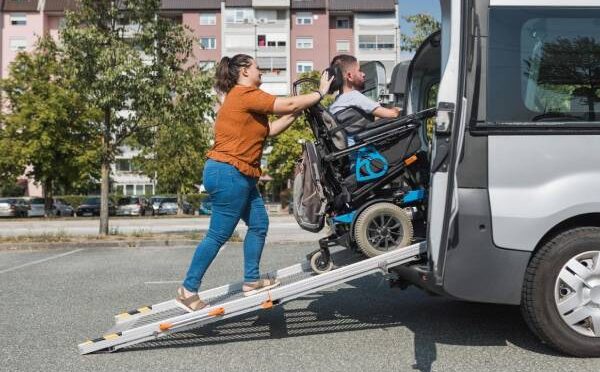
  • Assist with safe boarding and exiting vehicles carefully
  • Plan routes for efficient and accessible travel options
  • Check weather conditions before trips happen
  • Ensure wheelchair or mobility equipment is secured properly

Physical Support

  • Help participants with mobility assistance into cars
  • Support individuals who need physical guidance during journeys
  • Manage mobility aids like walkers and wheelchairs
  • Provide personal care assistance if required during travel

Communication and Navigation

  • Explain routes clearly using simple communication methods
  • Help navigate public transport systems effectively
  • Provide encouragement and reassurance throughout journeys
  • Update families about travel progress regularly

How Does NDIS Transport Assistance Make a Difference?

NDIS transport assistance in Williams Landing helps participants attend appointments independently. People can visit doctors, dentists, and hospitals safely. Participants also access social activities and community events. This support reduces isolation and improves overall quality of life.

The Role in Building Independence

Transport workers help participants develop important travel skills gradually. They teach people to recognise landmarks and directions. They encourage participants to make independent decisions during trips. Over time, participants often gain increased confidence and self-reliance.

Essential Skills Transport Support Workers Need

These workers must have many important skills:

  • First aid and emergency response knowledge for safety
  • Excellent communication abilities with all participants
  • Physical strength for safe lifting and movement
  • Patience and empathy for people with disabilities
  • Valid driver’s licences and safe driving records
  • Understanding of disability support and care practices

A NDIS transport support worker in Deer Park provides flexible scheduling options. Workers adapt to each participant’s unique needs and preferences. They support attendance at medical appointments regularly. Participants can also visit shops, libraries, and recreational facilities.

Typical Daily Activities Supported

Transport workers help with many everyday mobility needs:

  • Attending medical and therapy appointments on time
  • Shopping for groceries and household items safely
  • Visiting friends, family, and social groups regularly
  • Accessing community activities and employment opportunities
  • Managing medical equipment during travel safely
  • Supporting participation in recreational and leisure activities

Why This Support Matters

Many people with disabilities face significant mobility barriers daily. Professional transport support removes these obstacles effectively. Participants experience greater social inclusion and well-being overall. This help enables people to participate fully in community life.

Common Barriers Transport Workers Help Overcome

Participants often face several challenges without support:

  • Difficulty using public transport independently or safely
  • Fear or anxiety about travelling alone
  • Physical limitations with vehicle transfers
  • Challenges in managing mobility equipment during trips
  • Limited access to community activities and services

Transport workers provide practical solutions for each barrier.

Conclusion

An NDIS transport support worker in Deer Park plays a crucial role in supporting daily mobility and independence. These dedicated professionals help people with disabilities access essential services and community participation. If you or a loved one needs expert NDIS transport assistance in Melton North, reach out for professional support today.

Don’t let mobility challenges limit your independence and well-being. Contact Empower Care Coordinator for comprehensive NDIS transport support services. Call us on 03 9498 3152 or email info@empowercarec.com.au. Visit https://empowercarecoordinator.com.au/ to learn more about how they can help you access the mobility support you deserve.

Frequently Asked Questions

1. What qualifications do NDIS transport support workers need?

Transport support workers typically need first aid certification and disability support training. Many have valid driver’s licences and experience in aged or disability care sectors.

2. Can transport support workers help with wheelchair accessibility?

Yes, they are trained to assist with wheelchair boarding and securing equipment safely. They understand accessible vehicle requirements and disability support standards.

3. How often can I access transport support services?

Frequency depends on your NDIS plan and individual circumstances. Many participants access services multiple times weekly for appointments and activities.

4. Do transport workers provide personal care during journeys?

Many do provide basic personal care assistance during travel if needed. This might include medication reminders or mobility support during trips.

5. Can transport support help with anxiety about travelling?

Yes, workers provide reassurance and emotional support during journeys regularly. They build confidence through gradual exposure and positive reinforcement strategies.

6. What types of destinations do transport workers help access?

Workers support travel to medical appointments, shops, social venues, and community activities. They help participants reach any location specified in their NDIS plan.

7. Are transport workers trained in emergency procedures?

Most transport support workers hold current first aid qualifications and certifications. They know how to respond to medical emergencies during travel safely.

8. How do transport workers help build independence?

They teach navigation skills, encourage decision-making, and gradually reduce assistance levels. This approach helps participants develop confidence and travel skills progressively.

9. What if my mobility needs change over time?

Transport workers adapt their support approach as needs change regularly. Your plan can be reviewed and updated with your NDIS coordinator.

10. How can I arrange transport support services?

Contact your NDIS coordinator or registered service provider to discuss options. You can also reach out to support services directly for initial consultations